Hunza Valley: A Complete Travel Guide
How to get there, how long to stay, what Karimabad actually costs, and the difference between the sights everyone photographs and the ones worth your time.
Getting there
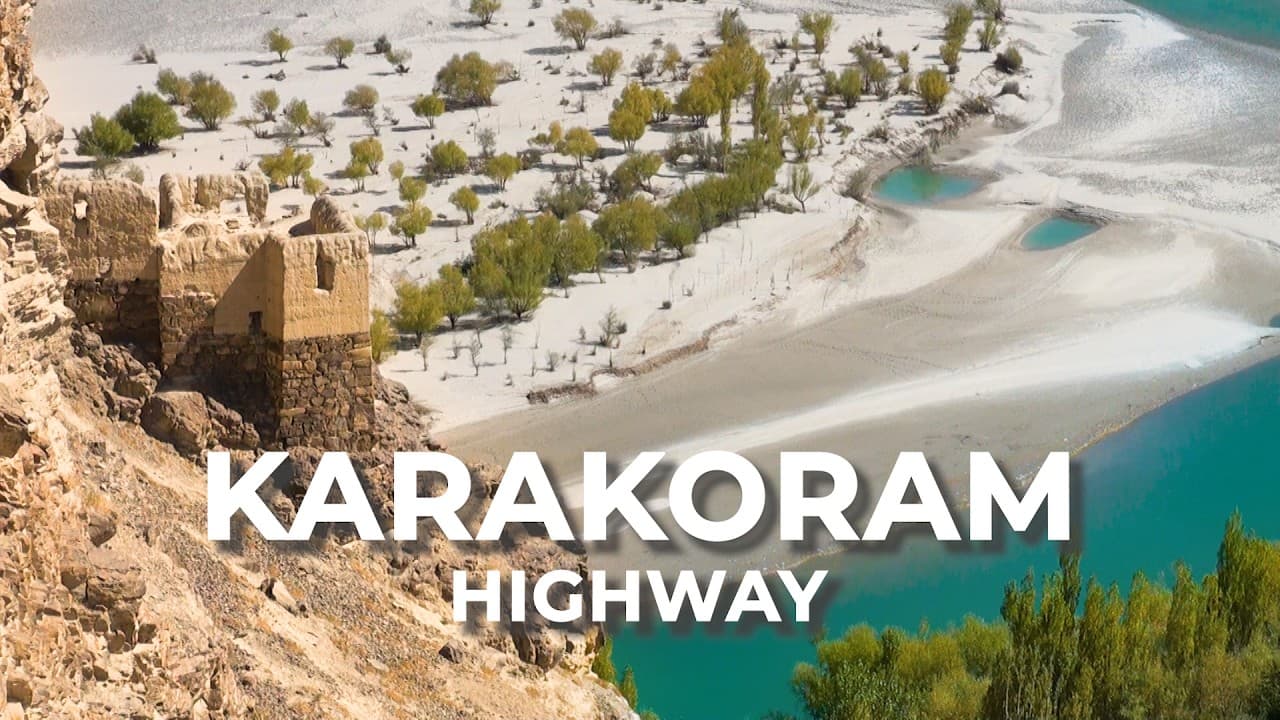
There are two routes from Islamabad and they are completely different experiences. The Karakoram Highway route runs through Mansehra, Besham and Chilas, around 600 km and 13 to 14 hours, following the Indus gorge for most of it. It is open all year and it is one of the world's great drives.
The Babusar route goes through the Kaghan valley, over the 4,173 m Babusar Pass and down to Chilas, and is shorter and more scenic but only open from roughly late June to October. Most tours go up one way and back the other.
Flying is the third option: PIA operates Islamabad to Gilgit, from where Karimabad is a two-and-a-half-hour drive. The flight is spectacular and saves a day each way, but it operates under visual flight rules and cancels in poor weather roughly one day in four. Never plan a tight schedule around it without a road fallback.
How many days do you need?
Three full days in the valley itself is the minimum that makes the journey worthwhile. That gives you one day for Karimabad and the forts, one for upper Hunza and Attabad, and one for Khunjerab Pass.
Add travel days at each end and you are at a seven-day trip from Islamabad, which is why almost every operator sells a seven-day Hunza package. Ten days lets you add Naran and Kaghan properly on the way, or continue to Skardu.
- 5 days: rushed, two travel days and two in the valley
- 7 days: the standard, and the one we recommend
- 10-12 days: Hunza plus Kaghan, or Hunza plus Skardu and Deosai
What to actually see
Baltit Fort is the one unmissable sight. Seven hundred years old, restored over six years by the Aga Khan Trust for Culture, and the throne room looks straight down the valley. Altit Fort, a kilometre away, is older still at around 1,100 years and sits on a cliff above the river; the restored village around it is the more interesting half of the visit.
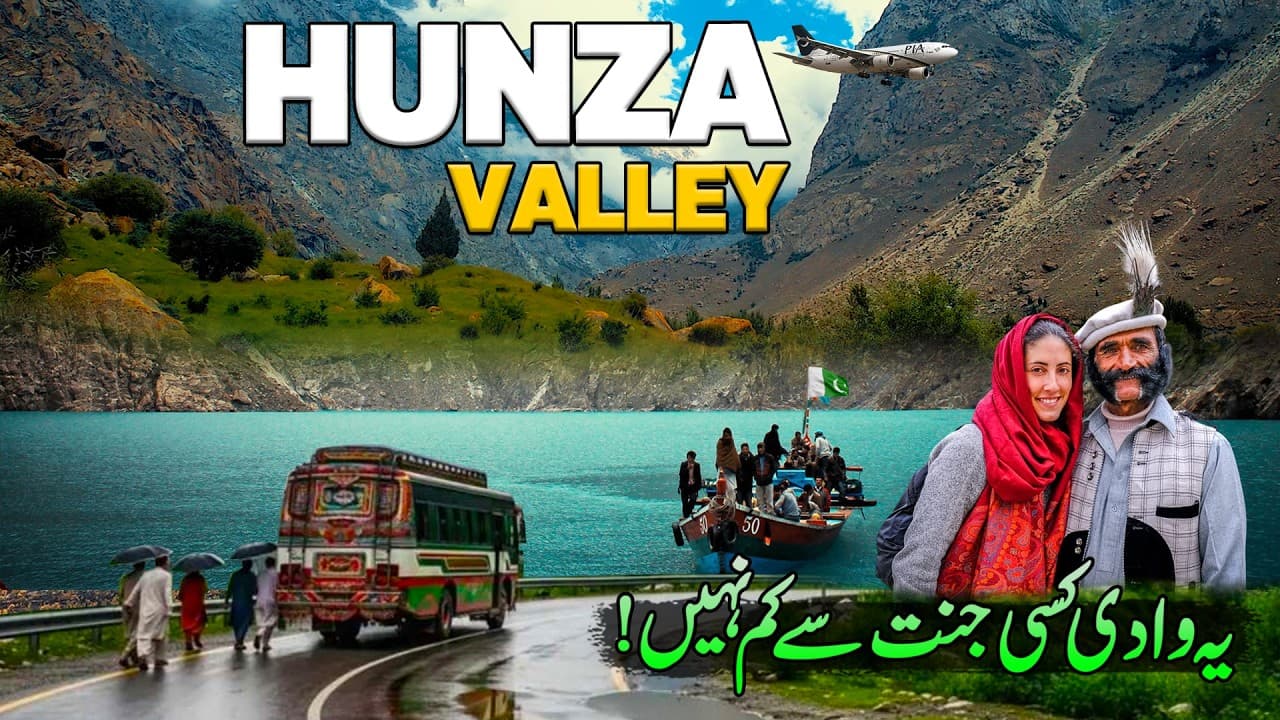
Attabad Lake is the photograph everyone brings home: twenty-one kilometres of turquoise water formed when a landslide dammed the Hunza river in 2010, drowning four villages. It is beautiful and it is also a monument to a disaster, which is worth remembering when you take the boat ride.
Passu Cones, the serrated Tupopdan ridge at 6,106 m. Is on the fifty-rupee note and needs no more introduction. The Hussaini suspension bridge nearby has a reputation as one of the world's most dangerous bridges, which is somewhat overstated but genuinely unsettling to walk.
And then there is Duikar. The Eagle's Nest viewpoint at 2,850 m gives you Rakaposhi, Diran, Ultar Sar, Golden Peak and Lady Finger in a single sweep, and at sunset the whole valley turns gold. If you do one thing in Hunza, do this, and go on a clear evening.
Khunjerab Pass
Four thousand six hundred and ninety-three metres, the highest paved international border crossing in the world, and about two and a half hours each way from Karimabad. It is a long day for what is, at the top, a gate, a marker post and a lot of thin air.
Go anyway. The drive north through Gojal, past Gulmit, Passu and Sost, is the best stretch of the Karakoram Highway, the national park often produces ibex and Marco Polo sheep, and standing at the Chinese border at that altitude is genuinely something.
Practical notes: go early, because weather closes in during the afternoon; move slowly at the top, because the air holds around 40% less oxygen than at sea level; and carry your CNIC, which is checked at the park entry.
What it costs
As of the 2026 season, a shared group tour from Islamabad runs from around PKR 89,000 per person for seven days, half board, in 3-star hotels on triple sharing. A private tour with your own Land Cruiser and twin rooms is typically PKR 125,000 to 150,000 per person, and a luxury package using the Serena and Luxus properties runs PKR 185,000 upwards.
For British and other international travellers, an all-in package from the UK including return flights, 4x4 transport, hotels and all meals starts around £1,980 per person for fourteen days.
The main variable is hotel category, and in July and August the main constraint is simply availability. Rooms in Karimabad sell out by May for the peak weeks.
Practical points people get wrong
Bring warm clothes even in July. Karimabad is pleasant at 2,400 m, but Khunjerab is near freezing and Duikar at sunset is cold. Bring cash, because ATMs above Gilgit are unreliable and card machines rarer still. Bring a power bank, because load-shedding is routine.
And bring patience with the roads. The Karakoram Highway is a working international route through active geology. Landslides happen, delays happen, and the drivers who work it every day are far better judges of when to move than any schedule.
Questions we get asked
Is Hunza safe for tourists?
Yes. Gilgit-Baltistan is one of the safest regions in South Asia for travellers, with high literacy, a strong tourism culture and very low crime. The genuine risks in the north are road conditions and altitude, not security.
What language do they speak in Hunza?
Burushaski in central Hunza, Wakhi in upper Hunza (Gojal) and Shina in the lower valley. Urdu is universal and English is widely spoken, particularly by younger people. Hunza has one of the highest literacy rates in Pakistan.
Can foreigners travel to Hunza without a permit?
Yes, for most nationalities no special permit is required beyond a Pakistan visa. Some restricted areas near the borders do require a No Objection Certificate; the standard Hunza and Khunjerab route does not.
What is the best month for Hunza?
April for blossom, June and September for clear views without crowds, October for autumn colour. July and August are busiest and most expensive but everything is open.